
EMI Testing for Medical Implants
- Boston Scientific CRM
- Medtronic CRM
- Abbott Technical Services
- BIOTRONIK, Inc.
Importance of EMI Testing for Pacemakers and Defibrillators
Our Expertise is EMI Testing for Pacemakers and Defibrillators

- Abbott Technical CRM: Comprehensive EMI analysis for Abbott’s complete range of cardiac rhythm management devices.

- Medtronic CRM System Validation: Specialized testing protocols for Medtronic’s pacemakers and neurostimulation devices.

- Boston Scientific CRM Product Assessment: Detailed EMI compatibility testing for Boston Scientific’s cardiovascular implants .

- Biotronik CRM Device Verification: Advanced electromagnetic testing for Biotronik’s cardiac and vascular implants.
EMF/ EMI Testing in the Workplace
Our Testing Protocols
- Abbott: Comprehensive EMI analysis for cardiac rhythm management devices
- Medtronic: Specialized EMI testing for pacemakers and neurostimulators
- Boston Scientific: In-depth testing for cardiovascular implants and pacemakers
- BIOTRONIK: Advanced electromagnetic testing for cardiac and vascular implants
Common Sources of Workplace EMI
Workplace environments often contain numerous sources of electromagnetic interference, including:
- High-voltage equipment
- AC/DC motors
- Power tools and machinery
- Overhead power lines
- Radiofrequency (RF) equipment (e.g., mobile phones, Wi-Fi routers)
- Industrial equipment (e.g., welders, generators)
Examples of Interference Sources
- Portable Power Tools: Emit both AC and DC magnetic fields. Keep tools like drills, saws, and grinders at least 6 inches away from implanted heart devices.
- Electric Arc Welders: Produce AC and DC magnetic fields, requiring a minimum safe distance of two feet.
- High-Voltage Power Lines: Generate strong electric and magnetic fields that can interfere with implanted devices.
Sources of Electromagnetic Interference in the Workplace
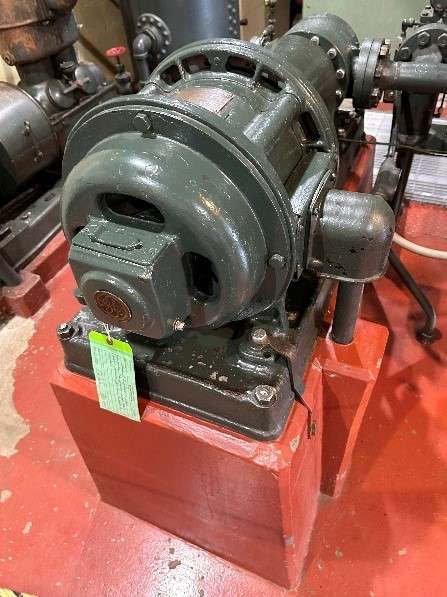
Motors

Power Tools: Portable

Power Lines

Welders
Types of Electromagnetic Interference (EMI)
Understanding different types of EMI is critical for ensuring patient safety and device performance. Types of EMI include:
- Conducted Emissions: Electrical currents passing through the body can interfere with the function of medical implants.
- Radiated Emissions: Magnetic fields from sources like motors and RF transmissions may disrupt device operation.
- Static Magnetic Fields: Found in permanent magnets and DC electromagnets, common in many industrial workplaces.
- Radiofrequency (RF) Interference: Sources like mobile phones, wireless devices, and other RF-emitting equipment can cause malfunctions in implants.
Safety Recommendations for Heart Devices in the Workplace
To protect patients with implanted devices, workplace EMF safety protocols should include:
-
- Safe Zones: Maintain safe distances based on detailed EMI survey results.
- Restricted Areas: Prohibit access to high-EMI zones (e.g., electrical switchyards, welding areas).
- Portable Tools: Ensure tools are kept at least 6 inches away from implants.
- Caution Labels: Place clear warning signs near high-EMI equipment.
- Employee Training: Educate workers about EMF exposure risks and safety measures.
- Reassignment: Reassign employees to low-EMI areas if necessary.
Why Choose IAQ-EMF Consulting for EMI Testing
IAQ-EMF Consulting is a trusted leader in EMI testing for medical implants. Our services help ensure compliance with industry leaders like Boston Scientific, Medtronic, Abbott and BIOTRONIK by safeguarding workers and minimizing electromagnetic interference with medical devices.
Partner with IAQ-EMF Consulting for reliable electromagnetic testing, safety validation and regulatory compliance. Let us help you keep medical devices safe and operational for the patients who rely on them.
Contact Us Today for Expert EMI Testing Services